

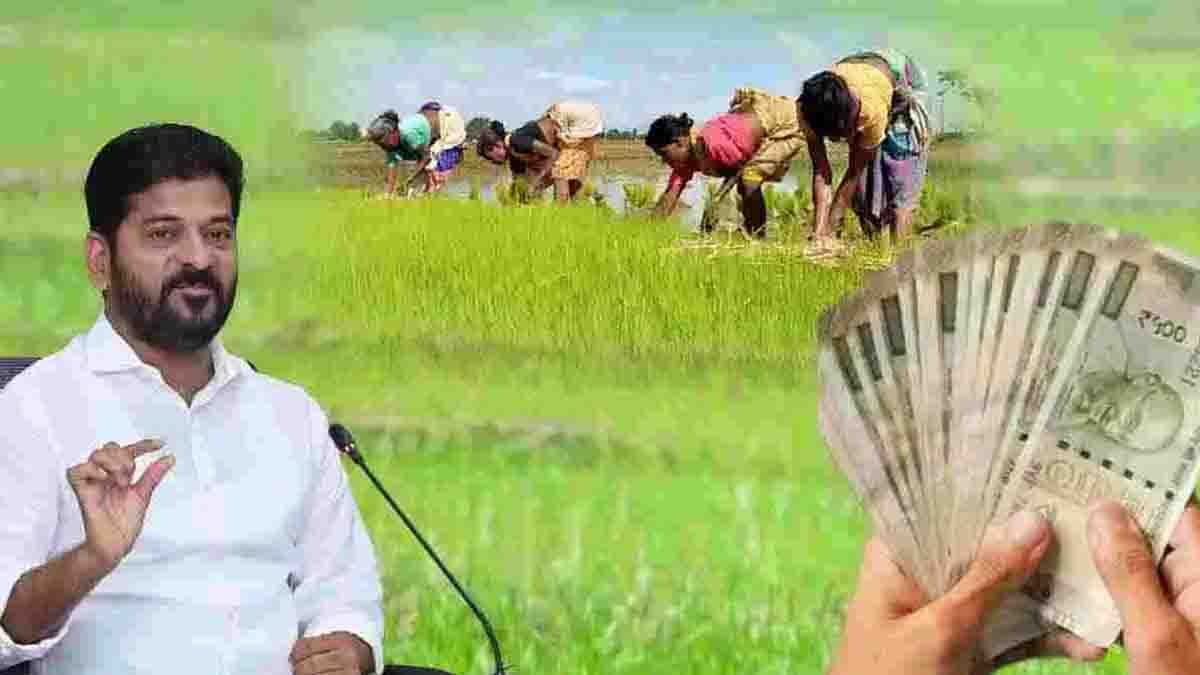
Hyderabad, March 21:In a major boost to the farming community, the Rythu Bharosa Telangana Funds for the Yasangi (rabi) season will be released on March 22. Chief Minister Revanth Reddy will officially launch the disbursement at a public event in Narmetta, Siddipet district. This move brings much-needed financial relief to lakhs of farmers across the state who have been waiting for timely investment support.
Also read https://rythubharosa.telangana.gov.in/
First Installment Details
Under the Rythu Bharosa Telangana Funds scheme, the state government provides ₹12,000 per acre annually in two installments to help farmers meet input costs. As part of the first installment, around ₹3,590 crore will be credited directly into the bank accounts of nearly 70 lakh farmers owning up to one acre of land.
The funds, which were originally expected to be released in January, were delayed due to election-related processes. With the release now scheduled, farmers will receive direct benefit transfers, ensuring transparency and efficiency. This financial assistance is expected to support farmers in purchasing seeds, fertilizers, and other essential inputs for the ongoing cultivation season.
Also Read https://goodmorningandhraonline.com/public-dissatisfaction-narrative-telangana-andhra-pradesh/
Additional Installments Planned
The government has also outlined a phased plan for the remaining Rythu Bharosa Telangana Funds. Approximately ₹2,650 crore will be released as the second installment within 20 days, while nearly ₹9,000 crore is expected to be disbursed by the end of April as the third phase.
The scheme is an improved version of the earlier Rythu Bandhu program, designed to provide stronger financial backing to farmers. By continuing and enhancing this initiative, the government aims to ensure agricultural sustainability and improve farmers’ income levels.
Also read https://goodmorningandhraonline.com/slug-madapur-pregnant-wife-murder-jagtial/
Overall, the Rythu Bharosa Telangana Funds initiative is expected to benefit millions of farmers, offering them stability and confidence during the cultivation season while reinforcing the state’s commitment to agricultural welfare.