
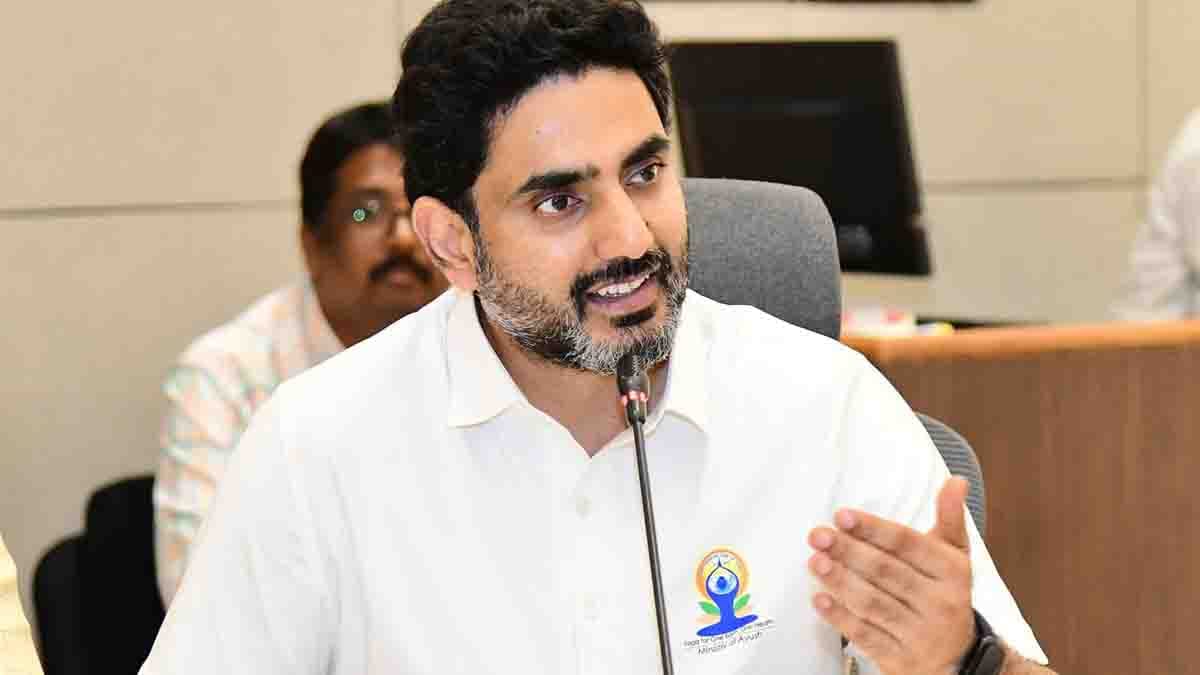
Rumors recently flooded social media claiming that a change in leadership was imminent in the state. According to these claims, the current Chief Minister, N. Chandrababu Naidu, would step down, making way for his son and current IT and Education Minister, Nara Lokesh, to take over as Chief Minister. The speculation went as far as fixing a timeline, suggesting that Lokesh would assume office by the Ugadi festival. This entire narrative quickly turned into what is now widely referred to as the Lokesh as CM Buzz.
From small YouTube channels to even a prominent media outlet’s digital platform, the narrative gained massive traction. Pro-TDP channels, along with those aligned with YSRCP and BJP, amplified the claims. Some even alleged that Deputy Chief Minister Pawan Kalyan had agreed to the transition, and that approval had been secured from Prime Minister Narendra Modi and Union Home Minister Amit Shah. The rumors didn’t stop there—stories emerged that Pawan Kalyan would move to the national level, Chandrababu Naidu would become President of India, and Lokesh had already finalized his cabinet. A full-fledged political script was circulated, complete with a “coronation date” on Ugadi.
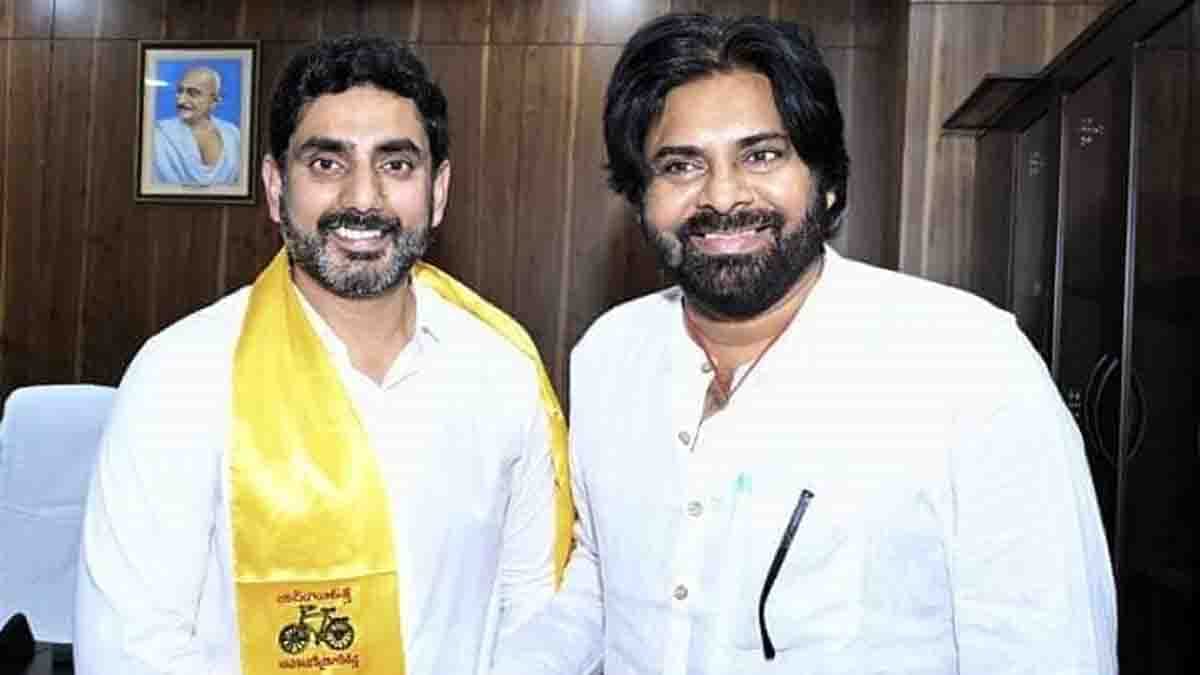
Lokesh as CM Buzz Gains Momentum Across Social Media
However, Ugadi passed without any such development, exposing the claims as baseless. Despite the widespread speculation, neither TDP nor Jana Sena leaders publicly addressed the issue at the time. Meanwhile, a few voices, allegedly operating under the guise of Jana Sena supporters, created noise on social media claiming injustice toward Pawan Kalyan and certain communities.
Now that the hype has subsided, TDP leadership has reportedly begun examining how such a large-scale narrative took shape. According to internal assessments, surprising details have emerged regarding the origins of the campaign.
Also Read https://goodmorningandhraonline.com/nara-lokesh-flood-protection-wall-tadepalli/
Lokesh as CM Buzz and the Role of BJP Social Media
It is being observed that a significant portion of the “Lokesh as CM” narrative—nearly 50%—originated from social media accounts linked to the BJP ecosystem. While the exact motive remains unclear, the scale and intensity of the campaign suggest a coordinated effort. Speculation is rife on whether this was an attempt to create friction between TDP and Jana Sena, or part of a larger strategic move.
TDP-affiliated social media contributors are said to have played a role as well, accounting for around 20% of the amplification. Meanwhile, YSRCP’s digital network reportedly contributed nearly 30%, leveraging its strong online presence to widen the narrative and potentially create divisions within the ruling alliance. The Lokesh as CM Buzz thus became a major political talking point across platforms.
From a strategic standpoint, YSRCP may have seen an opportunity in fueling such speculation, believing that any rift between alliance partners could benefit them politically in future elections.
On the other hand, Jana Sena’s social media response was notably restrained. Reports suggest that only a minimal percentage—around 3%—of content from its ecosystem engaged with or promoted the narrative.
Also read https://goodmorningandhraonline.com/nara-lokesh-lift-irrigation-project-mangalagiri/
In hindsight, the “Lokesh as Chief Minister” campaign appears to have been largely driven by external political narratives, particularly from BJP and YSRCP-linked platforms. While each may have had its own reasons, the episode highlights how quickly coordinated social media campaigns can influence public perception.
Interestingly, a section of TDP supporters also appears to have unintentionally contributed to the spread, amplifying the narrative and falling into what many now view as a well-crafted political trap.