

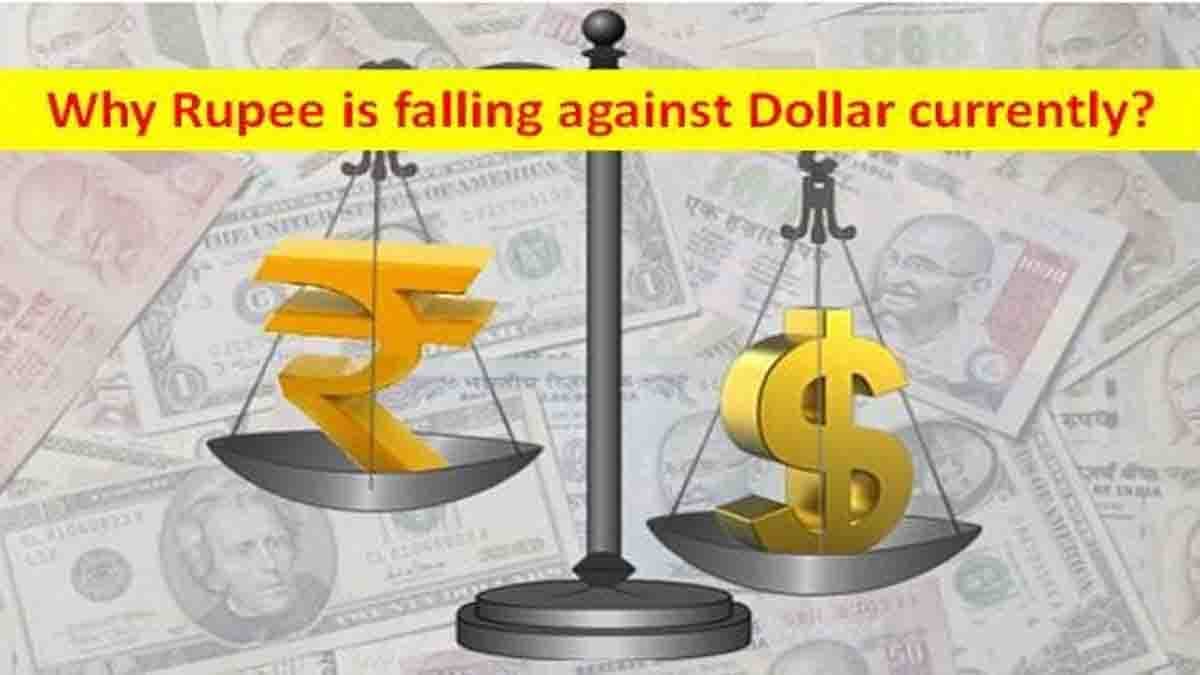
Rupee depreciation is emerging as a major concern for India’s economy, with the currency hitting record lows against the US dollar. The steady fall of the rupee reflects a combination of global geopolitical tensions and domestic economic challenges. As the rupee edges closer to the 95 mark, fears are rising about whether rupee depreciation could worsen further and what impact it may have on inflation, trade, and financial stability.
For detailed insights, read the full report by Reuters:https://www.reuters.com/world/india/indian-rupee-hits-record-low-past-95usd-relief-rbis-fx-curbs-proves-fleeting-2026-03-30/
Rupee Depreciation Driven by Global Factors
The current phase of rupee depreciation is largely influenced by global developments. Rising geopolitical tensions in West Asia, involving Iran, Israel, and the United States, have created uncertainty in global markets. One of the most immediate impacts has been a sharp increase in crude oil prices.
India, being one of the largest importers of crude oil, is directly affected by such price surges. Higher oil prices increase the country’s import bill, widening the current account deficit. This imbalance results in higher demand for dollars, accelerating rupee depreciation.
Additionally, a strong US dollar globally has added to the pressure. When the dollar strengthens, emerging market currencies like the rupee tend to weaken, making rupee depreciation a broader global trend rather than an isolated domestic issue.
FII Outflows Accelerate Rupee Depreciation
Another major contributor to rupee depreciation is the sustained outflow of Foreign Institutional Investment (FII). Over the past year, FIIs have withdrawn massive investments from Indian equity markets, converting rupees into dollars and increasing pressure on the currency.
Monthly outflows have been hitting record levels, signaling reduced confidence among foreign investors due to global uncertainties and better returns in developed markets like the US. This continuous selling has significantly contributed to rupee depreciation.
Interestingly, despite heavy FII selling, Indian stock markets have remained relatively stable. Domestic Institutional Investors (DIIs) have stepped in to balance the selling pressure. However, while DIIs support equity markets, they do not directly prevent rupee depreciation, as currency markets react primarily to capital flows and external trade balances.
Read morehttps://goodmorningandhraonline.com/rising-poverty-india-2026/
Rupee Depreciation Trends and Historical Comparison
Rupee depreciation is not new, but the current pace is alarming. Historically, one of the sharpest declines occurred during 2011–12, when the rupee fell by over 12 percent in a year.
At present, the rupee has already depreciated nearly 10 percent within a year, indicating a similar trend. If global tensions continue and crude oil prices remain high, rupee depreciation could push the currency toward the 100 mark against the dollar.
Such a scenario would have significant implications, especially for import-dependent sectors and inflation management.
Impact of Rupee Depreciation on Economy
Rupee depreciation has both positive and negative effects on the economy. On the positive side, a weaker rupee boosts exports by making Indian goods and services more competitive globally. Sectors like IT, pharmaceuticals, and textiles benefit from this trend.
However, the negative impact is more immediate for the common citizen. Rupee depreciation increases the cost of imports, especially fuel, leading to higher transportation and manufacturing costs. This results in inflation and a higher cost of living.
Moreover, persistent rupee depreciation can affect investor sentiment and macroeconomic stability if not managed carefully.
Can Rupee Depreciation Be Controlled?
The future of rupee depreciation depends on multiple factors. Stabilization in crude oil prices and easing geopolitical tensions could provide some relief. Additionally, a reversal in FII flows would help strengthen the currency.
The Reserve Bank of India (RBI) also plays a crucial role in managing rupee depreciation through forex interventions and monetary policy measures. While these actions may not completely stop the decline, they can help control volatility and prevent sharp fluctuations.
Rupee depreciation reflects deeper global and domestic economic realities. While some level of depreciation is natural, sustained weakness could pose challenges for India’s economy. The coming months will be crucial in determining whether rupee depreciation stabilizes or continues its downward trend.