

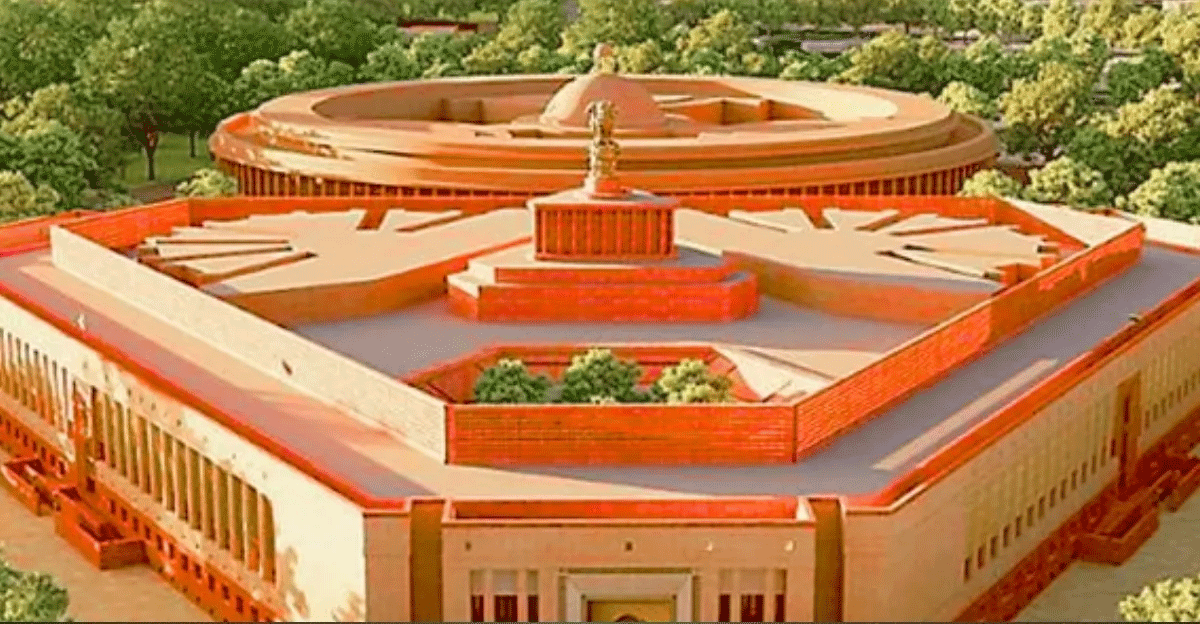
India’s proposed move to increase elected representatives by nearly 50% has sparked a nationwide discussion, drawing both support and concern. While many see it as a step toward better representation, others warn of possible regional imbalance and political consequences.
Also read https://www.eci.gov.in/delimitation
Why Delimitation Matters Now
The debate centers on the long-pending delimitation exercise—redrawing constituency boundaries based on population changes. India has not carried out a full delimitation since the early 1970s due to a freeze aimed at promoting population control.
With that freeze expected to end soon, the Union government’s move has revived the process. Supporters say this is a necessary update, as India’s population has grown significantly, making current representation uneven and outdated.
Also read https://goodmorningandhraonline.com/andhra-pradesh-rajya-sabha-candidates-2026/
More Seats, More Opportunities
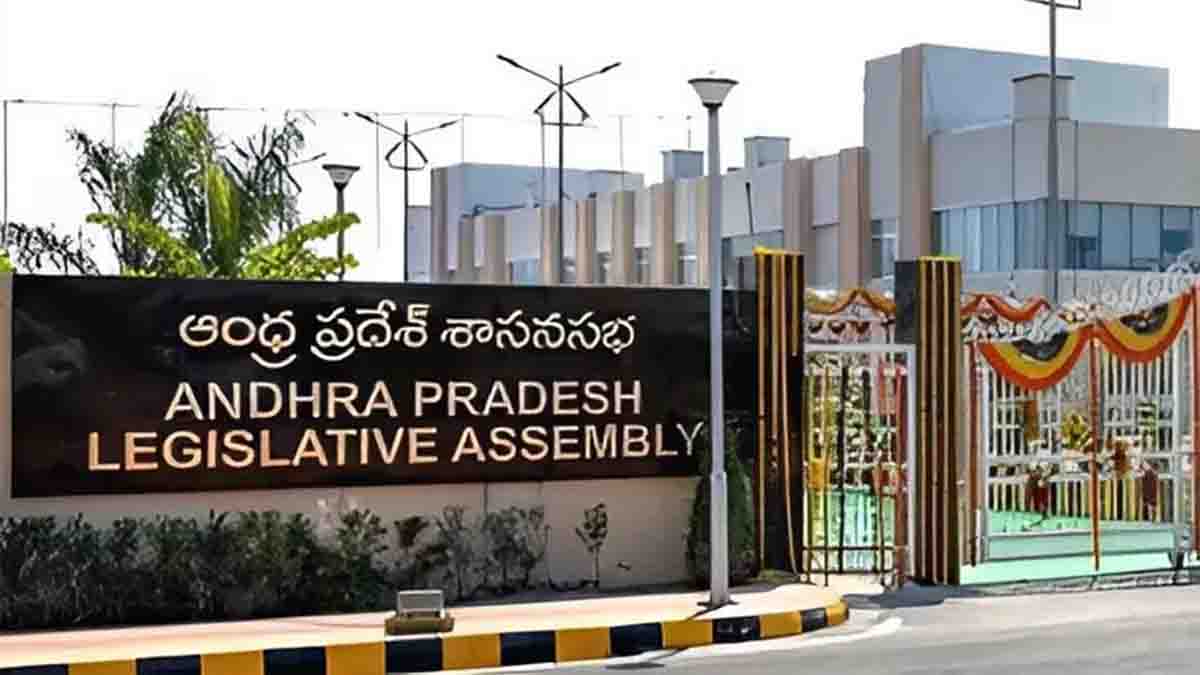
Proponents argue that increasing seats in Parliament and state assemblies will strengthen democracy. More representatives mean better access for citizens and reduced pressure on individual lawmakers.
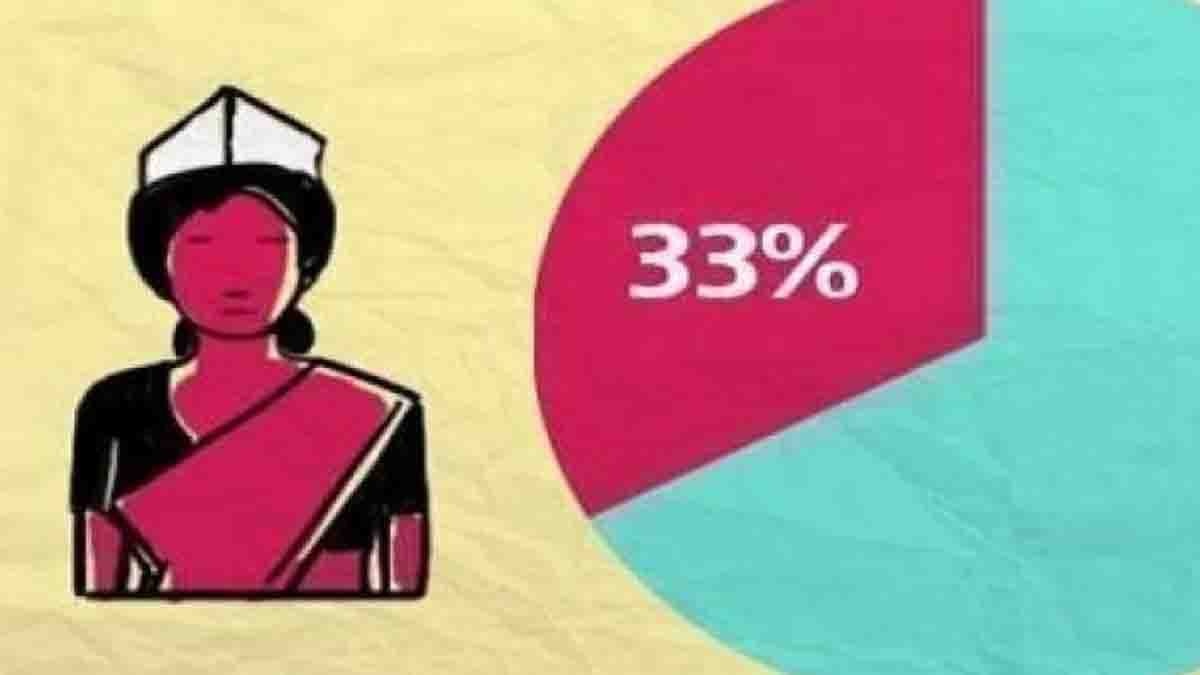
The proposal is also expected to expand political opportunities. A 50% rise in seats could allow new leaders to enter public life, especially in a competitive political environment. Additionally, the planned 33% reservation for women is likely to increase female participation in legislatures, marking a key step toward inclusive governance.
In Andhra Pradesh, the impact could be significant. Lok Sabha seats may increase from 25 to 38, while Assembly constituencies could rise from 175 to around 263. Earlier promises to increase seats to 225 after state bifurcation were not implemented, making this proposal even more notable.
Also read https://goodmorningandhraonline.com/chandrababu-naidu-population-policy/
Concerns Over Regional Imbalance
Despite the benefits, critics have raised concerns about regional disparities. Since delimitation is based on population, northern states with higher population growth may gain more seats than southern states, which have effectively controlled population growth.
Opponents argue that this could shift political power toward northern states. In such a scenario, parties might secure a majority at the Centre without significant support from southern regions, potentially weakening federal balance.
There are also concerns about fairness and implementation. Experts stress the need for transparency and consensus to avoid political disputes and ensure that the process strengthens democracy rather than creating divisions.
A Defining Political Moment
The proposed delimitation exercise represents a major shift in India’s electoral structure. While it promises better representation and inclusivity, it also raises complex questions about balance and fairness.
As discussions continue, the focus will remain on how the government manages this transition. The outcome could shape India’s political landscape for decades, making it one of the most closely watched reforms in recent times.