

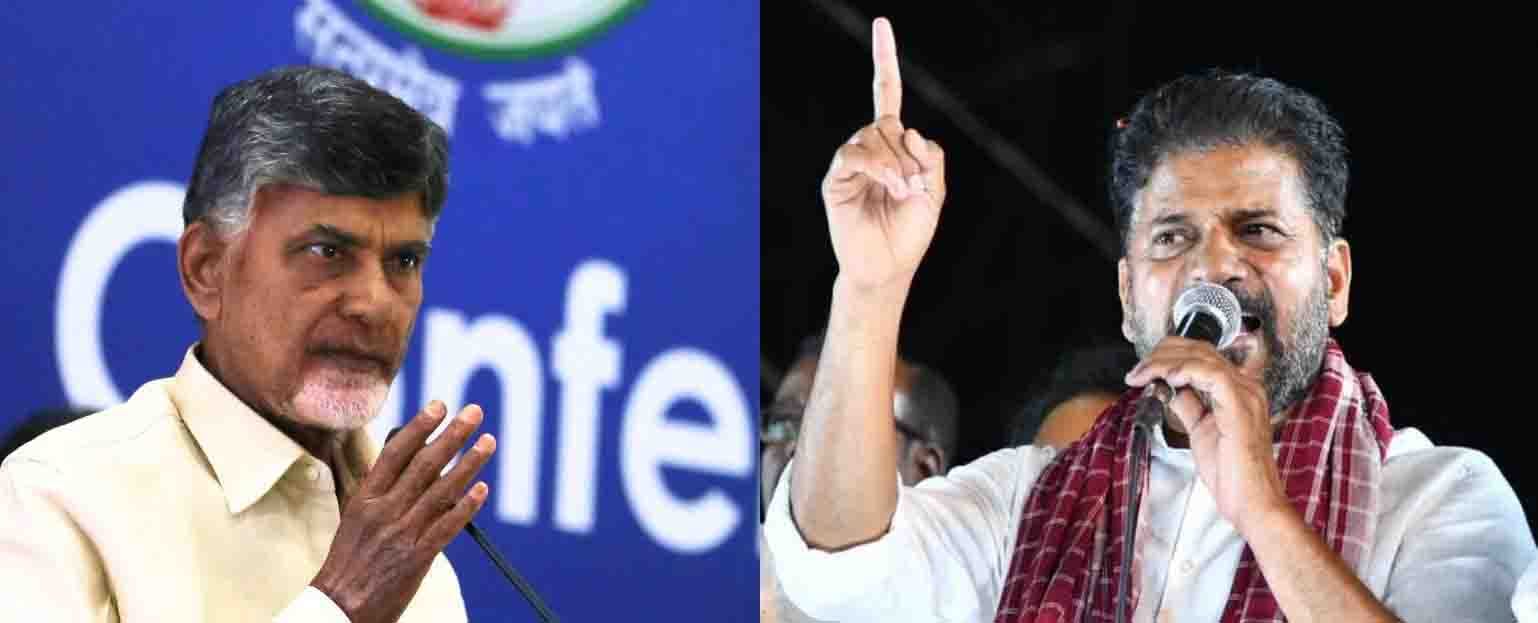
Public Dissatisfaction Narrative in Telangana and Andhra Pradesh: Myth or Reality?
In recent months, a strong public dissatisfaction narrative has been circulating in Telangana, claiming that the Congress government led by Revanth Reddy would be defeated whenever elections were held and that the opposition BRS would return to power with a massive majority. Political discussions, media debates, and party-level conversations seemed to echo the same sentiment — that public anger against the government was growing rapidly.
However, the recent panchayat and municipal election results have presented a different picture.
Despite the widespread perception of anti-incumbency, the ruling Congress party secured a clear majority in the municipal elections. This outcome has effectively challenged the dominant public dissatisfaction narrative that had been gaining momentum in political circles.
See local election Results:
https://en.wikipedia.org/wiki/2026_Telangana_local_elections
Telangana: Narrative vs Election Results
For weeks, there was intense speculation that people were deeply unhappy with the Revanth Reddy government. Critics pointed to several issues:
Delays in implementing promised welfare schemes
Financial constraints due to an empty treasury
Allegations of corruption involving ministers
Lack of coordination among party leaders
Internal dissent within the ruling party
These concerns created the impression that public anger was building steadily. Even leaders within both the ruling party and the opposition suggested that the government was at risk in future elections.
Yet, when voters went to the polls in local body elections, the results did not reflect such extreme dissatisfaction.
https://thewire.in/politics/municipal-elections-show-that-congress-retains-its-hold-over-telangana-politics
The Congress party’s clear victory indicates that while certain sections of the public may have grievances, the overall dissatisfaction may not be as intense as portrayed.
Why Didn’t the Opposition Benefit?
The municipal election results suggest that dissatisfaction with the ruling party does not automatically translate into support for the opposition.
In Telangana’s case, many voters appear to have weighed their options carefully. The BRS, which governed the state for ten years, faced allegations of corruption, favoritism, and administrative excesses during its tenure. These memories may still be fresh in the minds of voters.
As a result, even if some citizens are unhappy with the current government, they may not be ready to return power to the previous regime.
This highlights an important political reality: dissatisfaction alone does not guarantee electoral success unless the alternative is seen as clearly better.
https://tsec.gov.in/home.do
Are Local Elections a True Indicator?
It is important to note that local body elections are not always reliable predictors of Assembly or parliamentary elections. Voters often differentiate between local governance and state-level leadership.
However, the recent results clearly demonstrate that the public dissatisfaction narrative in Telangana may have been exaggerated.
While criticism exists, it has not reached a tipping point capable of dramatically altering the political landscape.
Is Andhra Pradesh Seeing a Similar Pattern?
A similar public dissatisfaction narrative is now being promoted in Andhra Pradesh against the coalition government led by Chief Minister Chandrababu Naidu.
Opposition leaders from the YSRCP and their supporters argue that the coalition has failed to meet public expectations. According to this narrative, voters who elected the alliance with high hopes are now disappointed with its performance.
Interestingly, some dissatisfied voices within the TDP itself are amplifying these criticisms. In fact, exaggerated complaints from internal party leaders and workers may be reaching the public more directly than opposition propaganda.
Sources of Discontent in Andhra Pradesh
After five years of governance under Jagan Mohan Reddy, which critics describe as marked by corruption and administrative disruption, the current government has been attempting to gradually stabilize the system.
However, the pace of change has not satisfied everyone.
Some of the key concerns include:
Slow progress on the Amaravati capital development
Delay in expanding the Karakatta road
Land acquisition issues related to Seed Axis road
Failure to withdraw cases filed against party workers
Delay in restoring certain pensions
Allegations involving MLAs and ministers
Controversies over land allocations
These issues have contributed to a moderate level of dissatisfaction.
http://According to the YSR Congress Party’s official statement <a href=”https://www.ysrcongress.com/top-stories/chandrababu-rule-driven-100618″ target=”_blank” rel=”nofollow”>Chandrababu Rule-Driven Failures Report</a>,…
However, similar to Telangana, the question remains: Is this dissatisfaction as widespread and intense as being portrayed?
Political Propaganda vs Public Sentiment
In both Telangana and Andhra Pradesh, political narratives often grow louder than actual ground-level sentiment.
Campaigns highlighting government failures are part of normal democratic politics. However, repeated messaging can sometimes create an impression that dissatisfaction is universal, even if it is not.
The Telangana municipal election results serve as a reminder that media narratives and social media discussions do not always reflect the broader electorate’s mood.
The same caution applies to Andhra Pradesh.
Moderate Dissatisfaction, Not a Political Storm
At present, both states appear to be experiencing moderate dissatisfaction rather than overwhelming anti-incumbency.
In Telangana, the Congress government has managed to retain voter confidence at least at the local level. In Andhra Pradesh, while criticism exists, it has not yet translated into visible electoral backlash.
However, governments must not ignore these signals.
Dissatisfaction, if left unaddressed, can gradually intensify. Voters may tolerate delays and slow reforms for a while, but prolonged inaction could change perceptions.
Conclusion
The public dissatisfaction narrative in Telangana has been partially disproved by recent election results. While issues exist, they have not significantly benefited the opposition.
In Andhra Pradesh, a similar narrative is emerging, but it is too early to conclude that it reflects the majority sentiment.
Ultimately, local body elections are not definitive indicators of general elections. Political landscapes can change rapidly.
For now, both governments face manageable levels of public dissatisfaction. It is up to the leadership in Telangana and Andhra Pradesh to address concerns effectively and prevent moderate discontent from turning into a larger political challenge.