

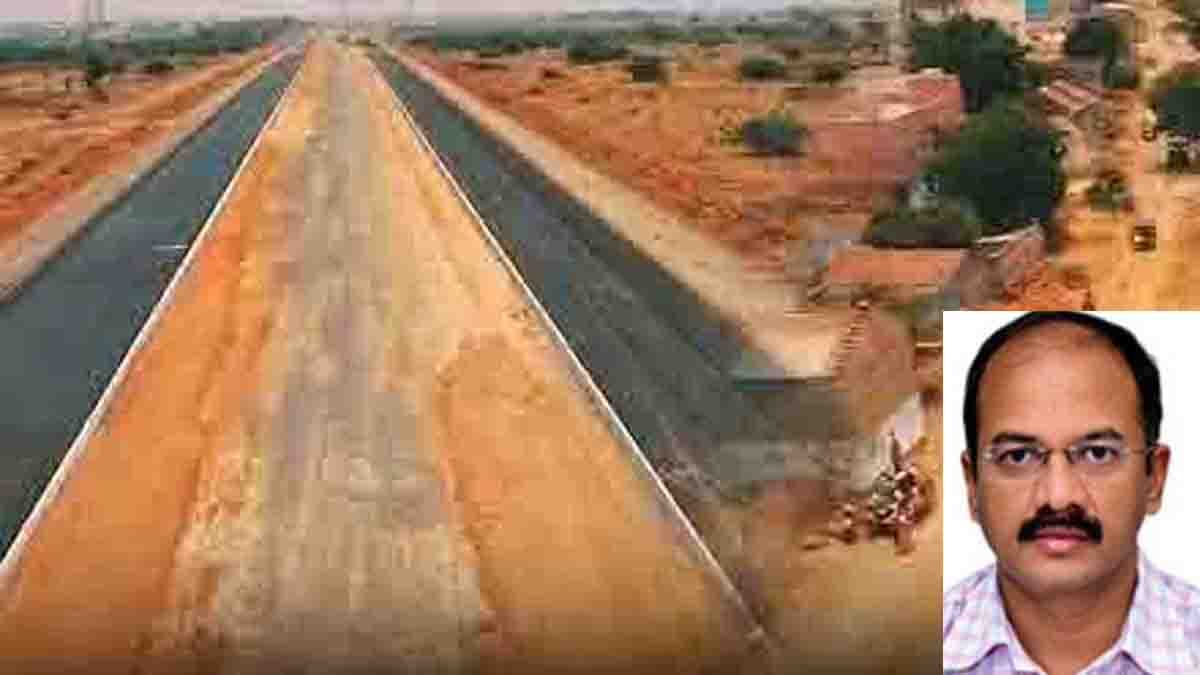
The sudden Amaravati CRDA Commissioner transfer of senior IAS officer Kannababu has triggered widespread debate across Andhra Pradesh. At a time when the Amaravati capital construction is said to be gaining pace, the government’s unexpected decision to shift a key official has raised serious questions. Stakeholders, political observers, and farmers are now closely examining the reasons behind this move and its potential impact on the future of the capital city.
Also read https://goodmorningandhraonline.com/ap-ias-officers-transfers/
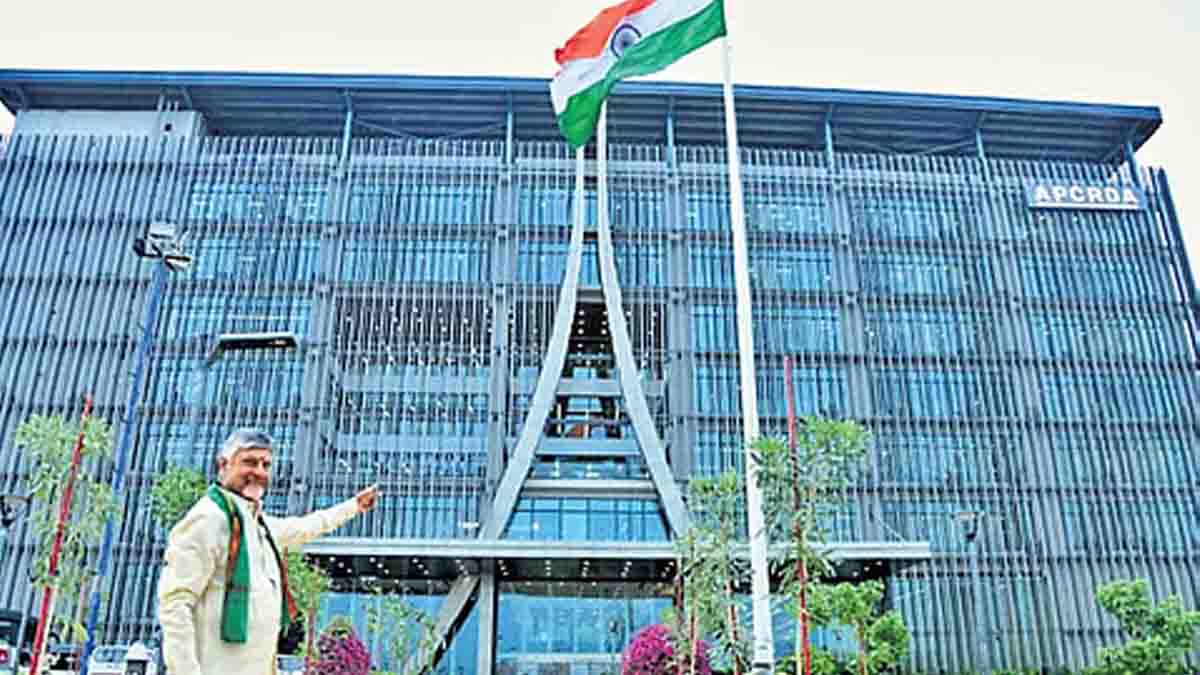
Transfer Raises Questions on Timing
The Amaravati CRDA Commissioner transfer comes at a crucial stage when the government claims that development activities in the capital region are accelerating. Kannababu, who played a significant role in overseeing capital works, was transferred along with several other IAS officers.
However, what makes this decision controversial is the timing. Many believe that changing leadership during a critical phase of development could disrupt progress rather than improve efficiency. The absence of a clear official explanation has only fueled speculation.
Kannababu is known to have a close working relationship with Municipal Administration Minister P. Narayana. In fact, he was appointed as CRDA Commissioner after the transfer of Katamneni Bhaskar, reportedly with the support of the minister. Given this background, the sudden transfer has surprised many within administrative and political circles.
Also read https://crda.ap.gov.in/apcrdav2/views/home.aspx
Performance Concerns
Another major factor linked to the Amaravati CRDA Commissioner transfer is the growing criticism regarding the pace of development in Amaravati. Despite the government’s claims of rapid progress, many stakeholders feel that the work on the ground has not matched expectations.
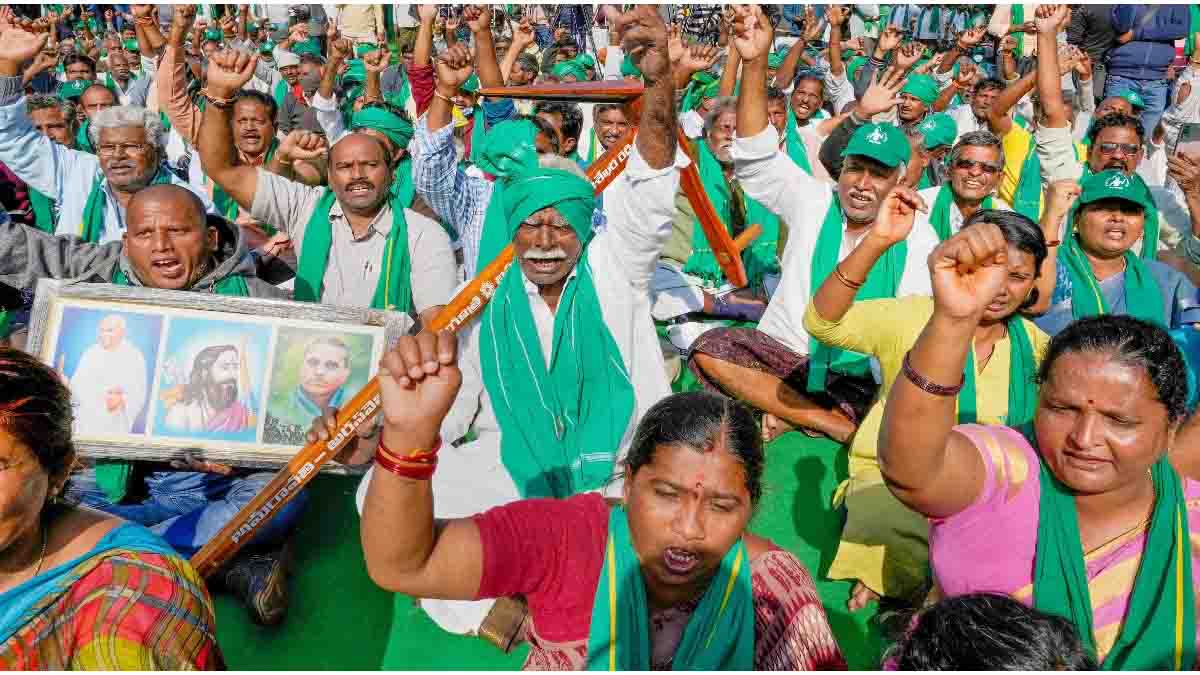
Farmers who contributed their lands under the land pooling scheme have repeatedly voiced concerns. They allege delays in receiving returnable plots and lack of proper response to their grievances. These issues have led to increasing dissatisfaction among the farming community.
Kannababu has also faced criticism for not being able to accelerate capital works effectively. Even after nearly two years in office, several projects remain incomplete. Amaravati supporters argue that the development has not moved at the expected speed, raising doubts about administrative efficiency.
Internal Issues Behind CRDA Commissioner Transfer
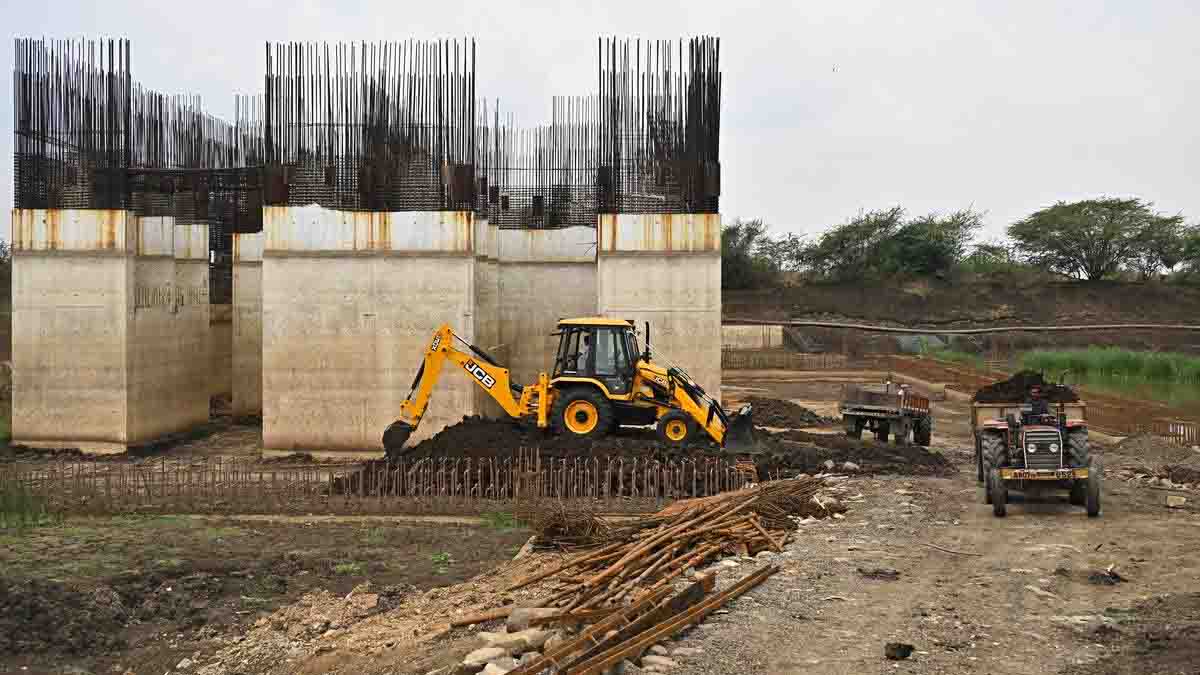
Reports suggest that internal conflicts within the administration may have contributed to the Amaravati CRDA Commissioner transfer. There are indications of differences among officials, which could have affected decision-making and project execution.
Additionally, allegations have surfaced that funds for development works were not being released quickly enough, leading to delays. Some sources have also claimed that Kannababu was perceived to be accommodating officials linked to the previous government, although these claims remain unverified.
Such internal challenges highlight the complexity of managing a large-scale project like Amaravati, where coordination among multiple departments is essential.
Frequent Changes
The Amaravati CRDA Commissioner transfer is not an isolated event but part of a pattern of frequent administrative changes. After coming to power, the government initially appointed Katamneni Bhaskar as CRDA Commissioner, expecting him to fast-track capital development.
However, Bhaskar was later transferred following reported differences with Minister Narayana. Despite attempts by Chief Minister N. Chandrababu Naidu to resolve the issues, the situation could not be settled.
Now, with Kannababu also being transferred, the government has brought in yet another officer to lead CRDA. Frequent leadership changes raise concerns about continuity and long-term planning. Large infrastructure projects like Amaravati require stable leadership to ensure consistent progress.
Also read https://goodmorningandhraonline.com/amaravati-capital-development-update/
Capital Development Delays
The Amaravati CRDA Commissioner transfer has once again brought attention to the delays in capital construction. The Amaravati project has been in progress for nearly a decade, yet significant portions remain incomplete.
After the bifurcation of Andhra Pradesh, the previous government initiated the development of Amaravati as the capital. However, political changes in 2019 altered the course of the project. The proposal for three capitals stalled development and created uncertainty.
With the current government promising to revive Amaravati, expectations were high. However, critics argue that progress has not been as fast as promised. Frequent administrative reshuffles are seen as one of the reasons for the slow pace.

Future Concerns After Amaravati CRDA Commissioner Transfer
The appointment of a new commissioner following the Amaravati CRDA Commissioner transfer brings both hope and concern. While a new officer may bring fresh energy, there is also the challenge of understanding ongoing projects and issues.
Experts believe that it may take several months for the new commissioner to fully grasp the complexities of the Amaravati project. This transition period could further delay progress, especially when the government aims to complete the capital by 2028.
Farmers and Amaravati supporters are increasingly questioning whether such frequent changes are beneficial. They emphasize the need for stable leadership, faster decision-making, and accountability.

Sparks Larger Governance Debate
Beyond administrative changes, the Amaravati CRDA Commissioner transfer has triggered a broader debate about governance. Observers are questioning whether decisions are being made based on long-term planning or short-term considerations.
Amaravati is not just a construction project but a symbol of the state’s future. Its success depends on consistent policies, strong leadership, and efficient execution.
As discussions continue, the focus remains on whether the government can overcome challenges and deliver on its promises. The coming months will be crucial in determining the direction of Amaravati’s development.