

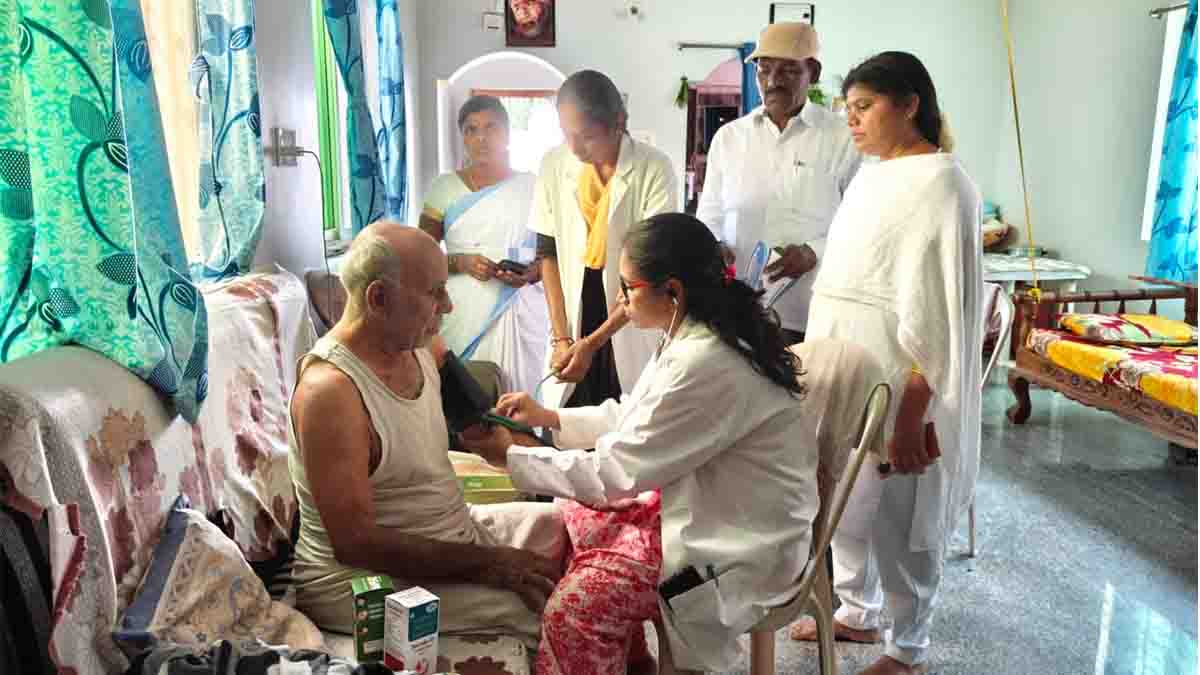
Pileru, March 20:Highlighting the importance of family involvement, Dr. Srigirisha, Chief Medical Officer of Talupula Primary Health Center, stressed that Elderly Care Heatstroke Prevention should be a top priority during the summer season. She stated that elderly individuals are more vulnerable to extreme temperatures, making it essential for families to actively monitor and support their health.
Speaking during a health inspection program in Gudarevupalli village on Friday, Dr. Srigirisha examined senior citizens and created awareness about preventing heat-related illnesses. She noted that due to reduced physical strength and a weaker ability to regulate body temperature, older adults face a higher risk of heatstroke and dehydration.
Also read https://goodmorningandhraonline.com/kidney-disease-awareness-dr-niharika-jonnalagadda-guntur/
Symptoms and Health Risks
Dr. Srigirisha explained that early identification is crucial in Elderly Care Heatstroke Prevention. She listed several warning signs that families should watch out for, including dry skin, excessive thirst, irritability, and restlessness. Other symptoms such as nausea, vomiting, and extreme fatigue can indicate serious heat-related complications.
She emphasized that ignoring these symptoms can lead to severe health issues, especially in elderly individuals with existing medical conditions. Timely recognition and immediate care can prevent complications and save lives.
During the inspection, health officials interacted with villagers and advised caregivers to remain alert and responsive to even minor health changes among senior citizens.
Also read https://www.nia.nih.gov/health/safety/hot-weather-safety-older-adults
Essential Precautions and Family Role
Focusing on preventive measures, Dr. Srigirisha highlighted that proper hydration plays a vital role in Elderly Care Heatstroke Prevention. She recommended regularly providing fluids such as buttermilk with a pinch of salt, lemon juice, fruit juices, ORS (Oral Rehydration Solution), and clean drinking water.
She also advised that liquid-based diets are easier to digest for the elderly and help maintain hydration levels. Monitoring urine color is another simple yet effective method; dark yellow urine indicates dehydration and the need for increased fluid intake.
In addition, she urged families to ensure that elderly members avoid direct sun exposure, stay in shaded or cool environments, and consume light meals. Adequate rest and continuous care are essential during peak summer.
Also read https://goodmorningandhraonline.com/dr-sirisha-hearing-awareness/
The awareness program was attended by District Health Education Officer Kondaiah, ANM Krishnamma, CHO Lavanya, and ASHA workers, who actively participated in spreading awareness among villagers.