

Vijayawada:
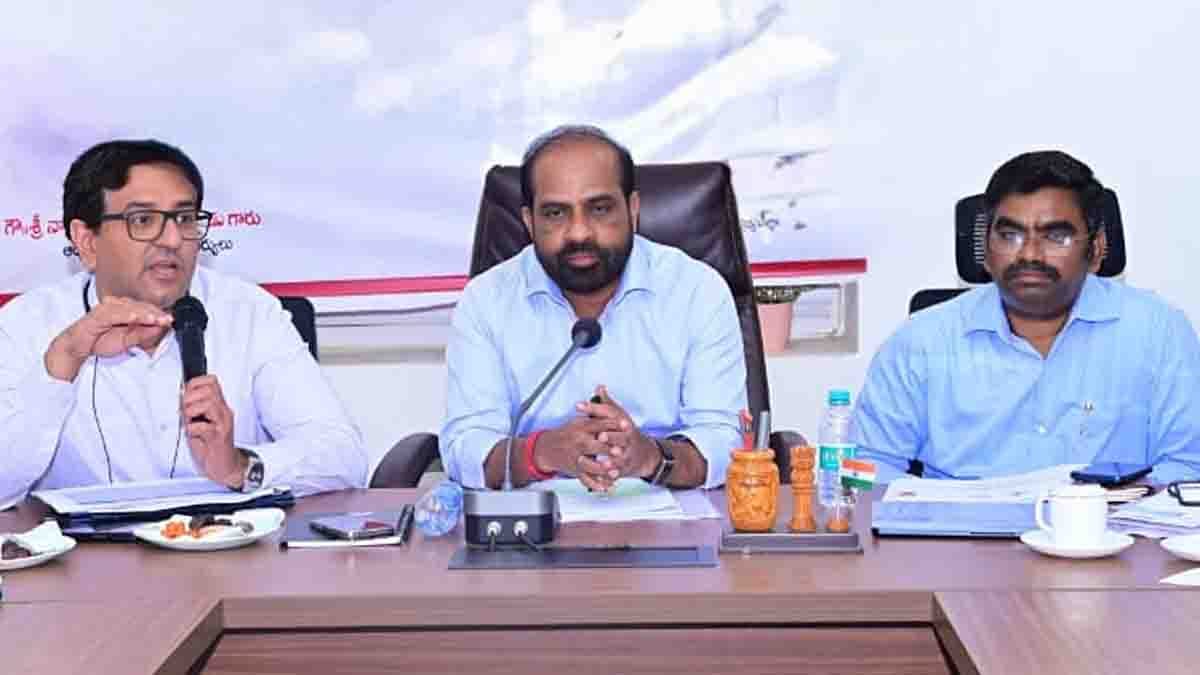
The Andhra Pradesh government has prepared the Summer Action Plan 2026 to address the increasing temperatures and prevent heat-related illnesses in the state. Health and Family Welfare Minister Satya Kumar Yadav reviewed the plan with senior officials and emphasized early warning systems, public awareness, and improved medical preparedness.
Early Warning System Under Summer Action Plan 2026
Under the Summer Action Plan 2026, the government will use the AWARE (Advanced Warning Advisory for Resilient Ecosystem) platform to issue alerts about rising temperatures four to five days in advance. Based on data from meteorological centers, authorities will identify areas where heatwave conditions are likely to intensify.
The information will be shared with district collectors and other officials so that preventive measures can be taken in advance. Temperature levels are categorized on the platform as caution (27°C–32°C), danger (33°C–41°C), and very dangerous (42°C–54°C). The system also uses historical temperature data and real-time monitoring through the IHIP portal to track seasonal diseases and heat-related health risks.
https://goodmorningandhraonline.com/protect-crops-from-high-temperatures/
Medical Preparedness and Preventive Measures
The government has strengthened healthcare preparedness under the Summer Action Plan 2026 by organizing training programs for district health officers, surveillance officers, epidemiologists, and medical staff. Doctors and paramedical staff at primary health centers (PHCs) are being trained to identify and treat heatstroke cases quickly.
All health facilities have been equipped to provide immediate treatment, and severe cases will be shifted to higher hospitals through 108 ambulance services. The government has stocked 1,71,66,381 ORS packets across hospitals, including 50,74,423 packets at PHCs and 16,77,787 packets at urban health centers. Adequate supplies of IV fluids have also been arranged.
https://goodmorningandhraonline.com/lpg-supply-in-andhra-pradesh-government-measures/
The minister also directed officials to create awareness among pregnant women, elderly people, infants, construction workers, MGNREGA workers, traffic police, and other vulnerable groups about precautions during extreme heat. Coordination has been strengthened with departments such as Rural Development, Municipal Administration, Disaster Management, Police, Fire Services, Electricity, and Labour to ensure effective implementation of the plan.
Officials noted that 833 heatstroke cases were reported in 2023, 4,444 in 2024, and 5,154 in 2025, with the highest cases recorded in Eluru, Krishna, and Visakhapatnam districts. Heatwave conditions are usually more severe in Rayalaseema and coastal areas, with the highest temperature of 47.7°C recorded in Konaseema in 2025.