

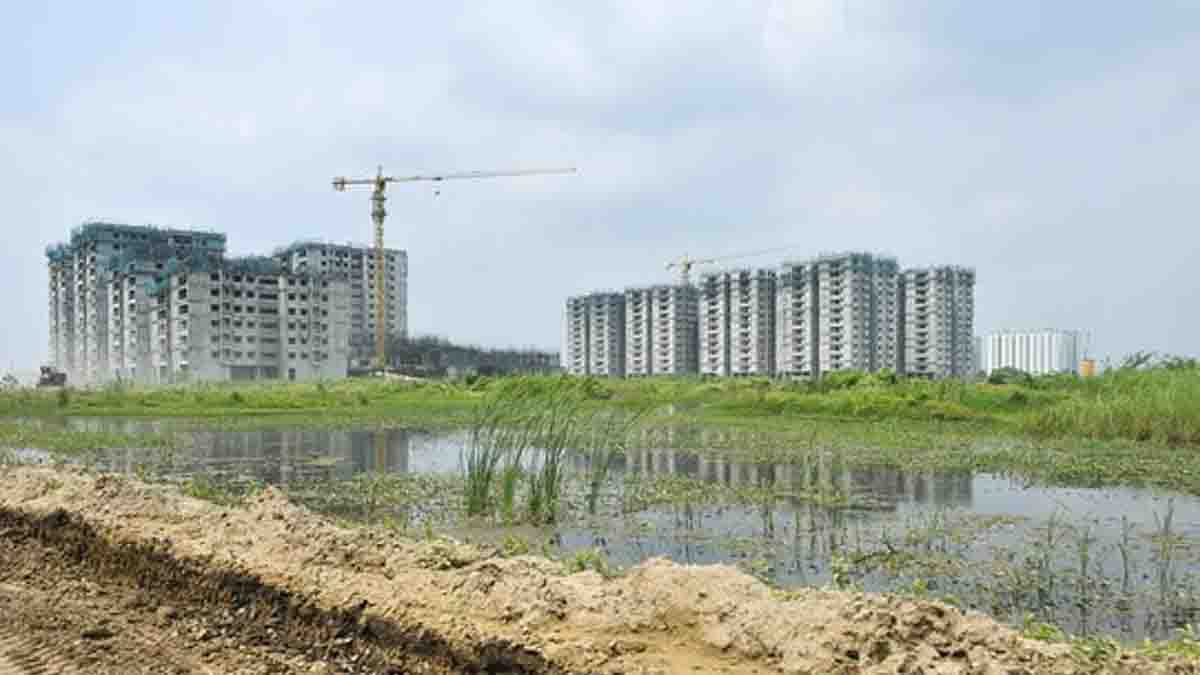
Amaravati Capital Project Concerns are once again in the spotlight as questions grow over delays, leadership decisions, and the overall direction of the state’s most ambitious project. After the bifurcation of Andhra Pradesh, people placed immense trust in the ruling alliance in 2014, hoping for a world-class capital city that would rival global standards. The leadership had promised rapid development and a modern infrastructure that could surpass even major cities. However, over the years, those expectations have largely remained unfulfilled, leading to increasing criticism from various sections.
Also read https://goodmorningandhraonline.com/amaravati-capital-development-update/
Amaravati Capital Project Concerns Over Early Decisions
Amaravati Capital Project Concerns began to emerge during the initial phase of development itself. Although the project started with strong momentum under the leadership of the Chief Minister, the responsibility was later handed over to Minister Narayana. At that time, many believed his experience in managing large institutions would help in executing the project efficiently.
However, the construction of temporary structures instead of permanent iconic buildings became a major setback. The public had envisioned a capital city with world-class architecture comparable to global landmarks. Instead, the temporary Secretariat and Assembly buildings led to disappointment among people. This gap between expectations and execution became a major political issue, which the opposition effectively used to its advantage.
Even after returning to power, there are growing concerns that the same approach is being repeated. Critics argue that lessons from the past have not been fully learned, and this is contributing to continued delays in the project.

Amaravati Capital Project Concerns Over Administrative Changes
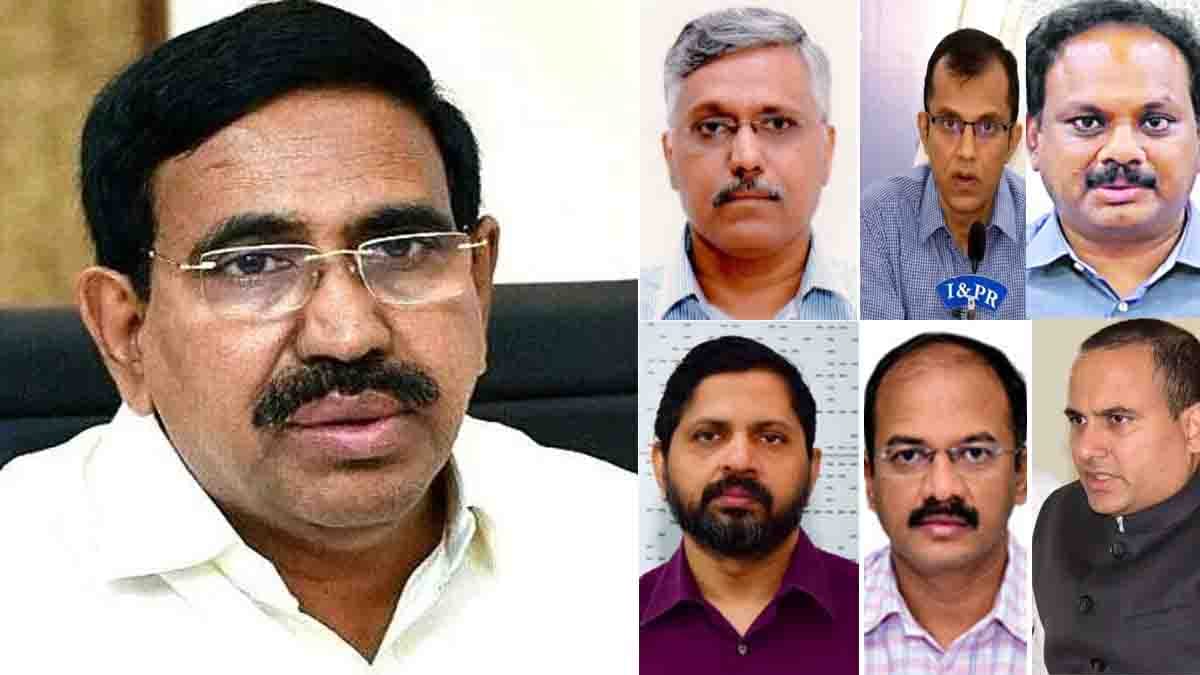
Amaravati Capital Project Concerns have intensified further due to frequent changes in administrative leadership. Over the past seven years, as many as six CRDA Commissioners have been appointed, indicating a lack of consistency in execution.
During one phase, progress was visible under a particular commissioner, with successful land pooling from farmers and development of key infrastructure such as roads and government buildings. However, subsequent changes in leadership slowed down the momentum. Reports suggest that differences between officials and the minister may have contributed to these frequent changes.
This pattern has raised serious questions about governance and long-term planning. Constant reshuffling of key officials not only disrupts continuity but also affects the pace of work. For a project as large and significant as Amaravati, stability in leadership is crucial.
Also read https://goodmorningandhraonline.com/amaravati-crda-commissioner-transfer-debate/
Amaravati Capital Project Concerns Prompt Calls for Action
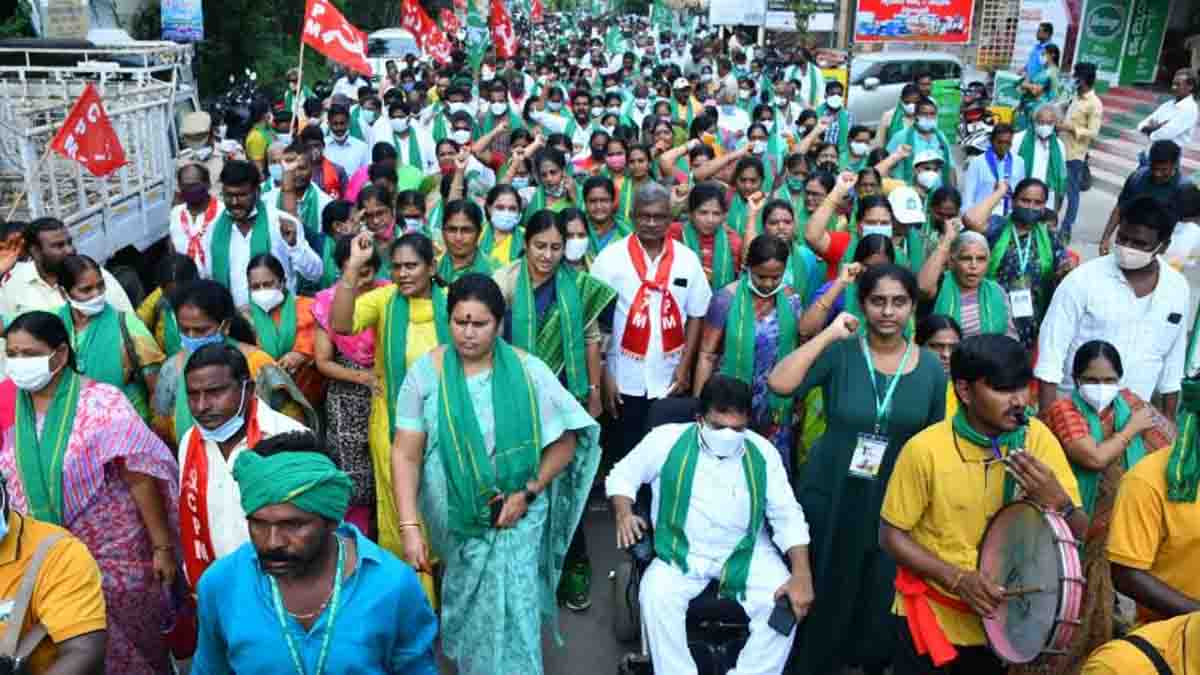
Amaravati Capital Project Concerns have now led to increasing demands for direct intervention by the Chief Minister. Farmers who contributed their lands and citizens who believed in the vision of a world-class capital are expressing frustration over the slow progress.
Many believe that the Chief Minister should take direct control of the project to ensure faster execution and better coordination. There are also suggestions that while the minister may continue in his role, the responsibility for the capital project should be handled at the highest level.
Without immediate corrective measures, there is a growing fear that the project may face further setbacks, both in terms of development and public trust. For the people who placed their hopes on Amaravati, timely completion of the capital remains a crucial expectation.